Micro-Influencer Monetization: How Small Creators Make Money
Small creators earn by stacking income streams: tips, merch, digital products, brand deals and platform payouts. How to price deals, get found by brands and disclose properly.
On this page
You do not need a huge following to earn from your content, but you do need more than one way to get paid. Micro-influencer monetization usually combines a few income streams: tips from fans, products you sell from your own page, paid brand posts, and platform payouts once you qualify. Each one depends less on follower count than on how much your audience trusts you and how easy you make it for them to support you.
This guide is written for small creators. It covers the main income streams, how to price brand deals without guessing, how to be easy for brands to find, and the disclosure rules that keep that trust intact.
The main ways small creators make money
| Income stream | What you need | Works well when |
|---|---|---|
| Tips | A visible tip option on your page | Your audience values your free content and wants to say thanks |
| Print-on-demand merch | Designs that mean something to your community | You have running jokes, a catchphrase or a recognizable visual style |
| Digital products | A template, guide, preset, recipe pack or similar | You solve a specific problem people keep asking about |
| Pay to unlock content | Exclusive photos, videos or files | Fans want behind-the-scenes or bonus material |
| Courses | Structured lessons on a skill you teach | People already ask you “how did you do that?” |
| Paid brand posts | A niche, a media kit and a rate card | Your audience matches a brand’s customers |
| Platform payouts | Meeting each platform’s eligibility rules | You post consistently on a platform with a creator program |
Most small creator income comes from combining two or three of these. Products and tips keep money coming in during months without brand deals.
Sell from your own page
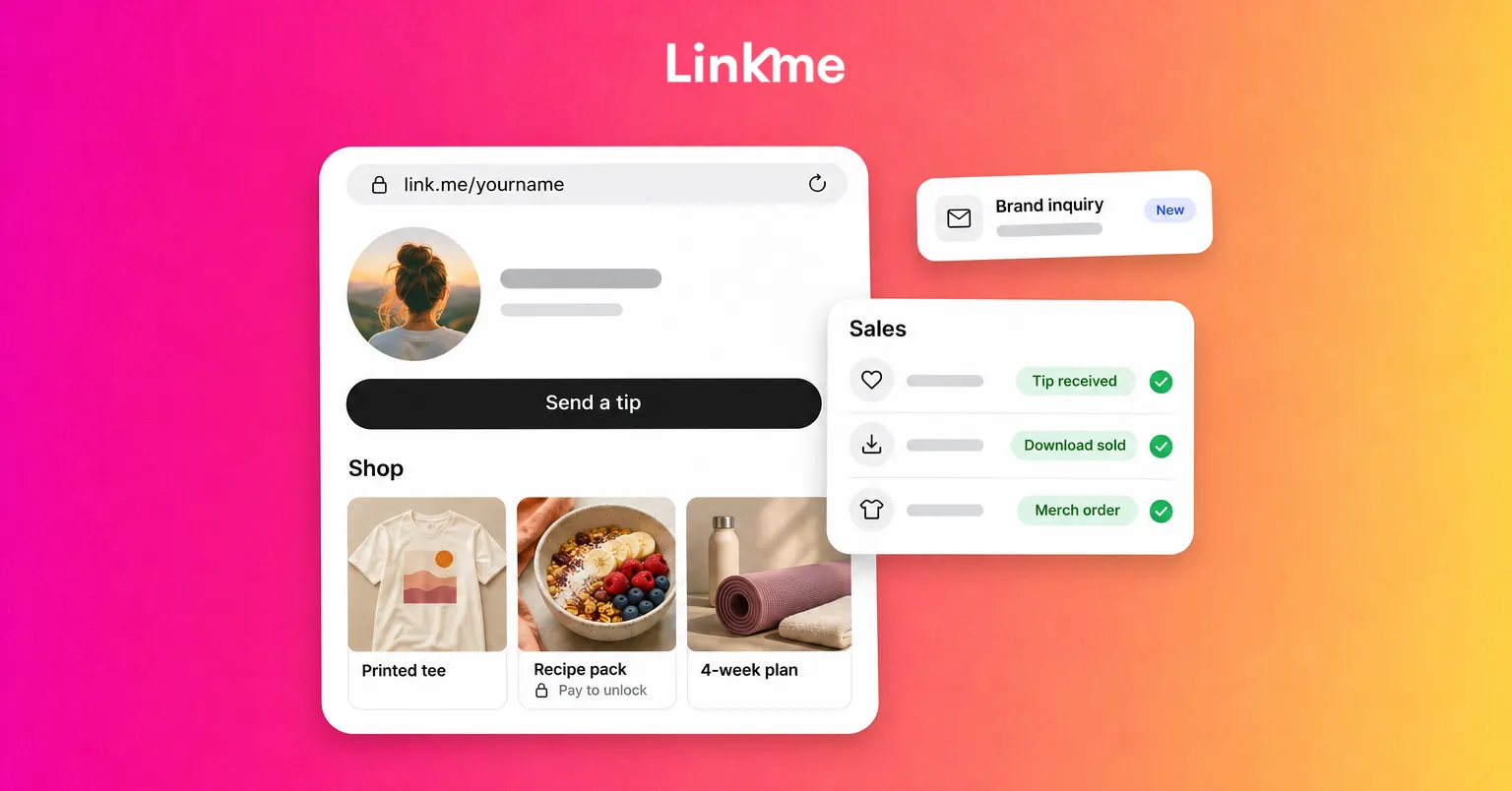
Your bio link is where followers go when they want more from you, so it is also the natural place to sell. With Linkme Sell & Monetize, checkout happens on your Linkme page through Stripe, and payouts go to your bank.
- Tips and merch on every plan. The free plan lets fans tip you and lets you sell print-on-demand merch. You can design a tee with AI in the Design Maker, and Linkme prints and ships each order, so you hold no stock.
- Digital products and courses on Plus. Upload files to sell as downloads, use Pay to Unlock to show a blurred preview that unlocks after purchase, or build a course with video lessons and downloadable materials.
- Products you already sell elsewhere. Add them as external products with a title, price and link, and buyers check out in your own store.
- Clear fees. Linkme takes a platform fee set by your plan, and Stripe takes its processing fee. You see what you earn on a sale before you publish, and every order shows its split.
You can also export the email of every buyer from Sales, which gives you a list of people who have already paid you once.
Pick your first product
Start with one product that answers a question you already get. A fitness creator might sell a four-week plan, a home cook a recipe pack, an illustrator a set of phone wallpapers. Promote it in your content, pin it to the top of your page, and improve it based on what buyers ask.
Get paid for brand deals
Brand deals for small creators are often the biggest single payments, and the easiest to underprice.
What to put in a media kit
- Who you are and your niche in one sentence
- Audience basics: main countries, age range and interests, from your platform insights
- Engagement on recent posts, and examples of comments that show real interest
- Two or three past collaborations or sample posts, even unpaid ones
- Your rates or “rates on request,” and how to contact you
How to think about micro influencer rates
There is no fixed price list, and published averages vary widely by niche and platform. Build your rate from the work involved:
- Deliverables. A Reel plus three Stories is more work than a single photo post.
- Production. Scripting, filming, editing, travel and props all take time.
- Usage rights. If the brand wants to run your video as an ad or use it on its own channels, charge for that use and set a time limit.
- Exclusivity. Agreeing not to work with competitors for a period has a cost to you.
- Results you can show. Clicks, sales or sign-ups from past campaigns strengthen your position.
Get the agreement in writing, including deliverables, deadlines, payment terms, usage rights and how many rounds of edits are included.
Be easy for brands to find
Brands look for creators whose audience matches their customers. Make that easy to see:
- Stay focused. A clear niche makes you a stronger match for the right brands.
- Keep your page complete. Your channels, best content, products and a contact option in one place show brands what you do.
- Put a contact route on your page. An email contact form or a “work with me” link saves brands from hunting for an inbox.
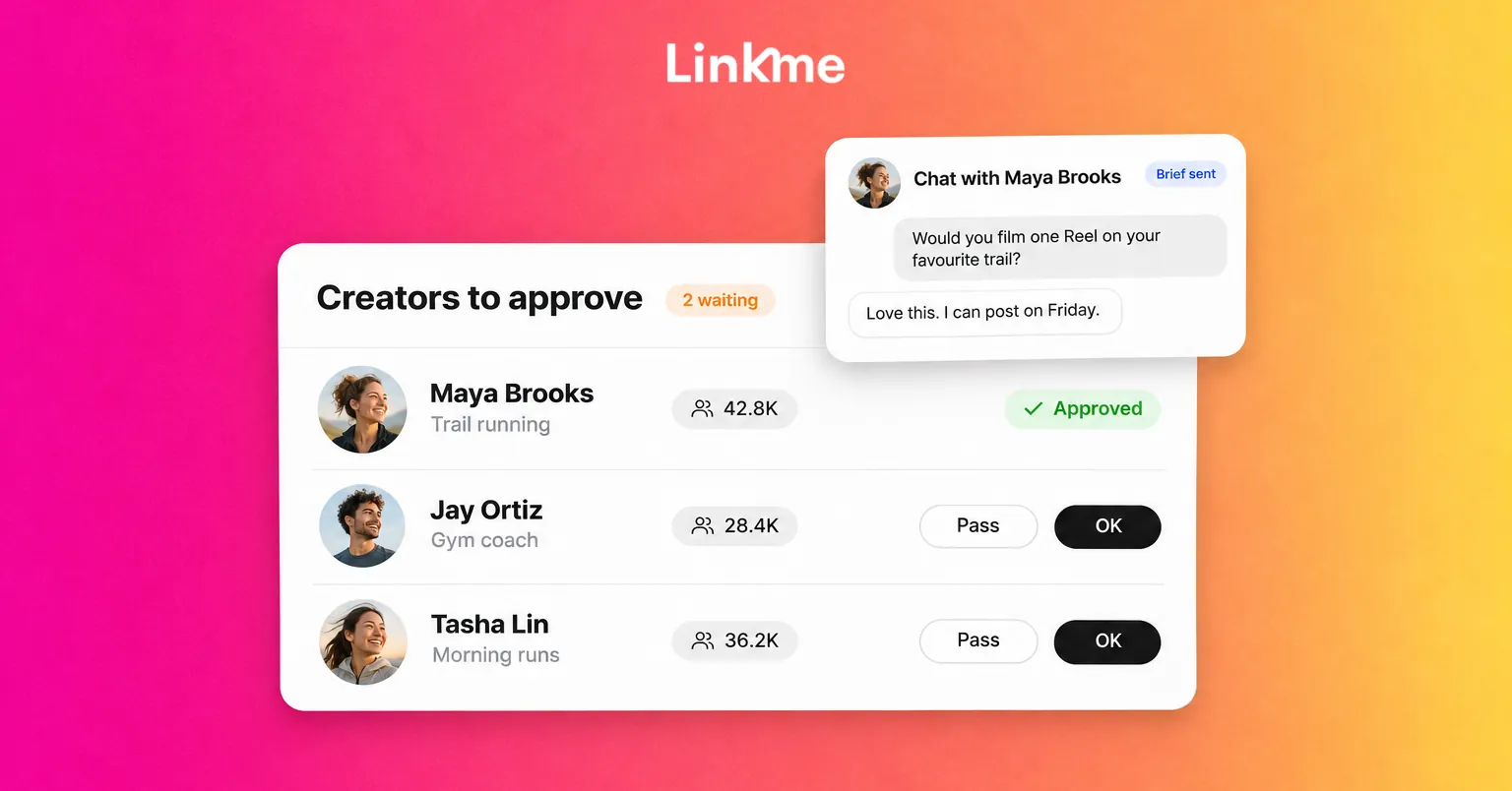
Linkme also runs a creator marketplace for brands. Brands tell Link, Linkme’s AI assistant, who they want to reach, and find creators who run their pages on Linkme by follower count, industry, niche and city. Link shortlists the ones who fit, and brands approve every creator before a brief is sent. For creators, your Linkme page is how brands find you there, so keeping it current matters.
Platform payout programs
Most large platforms run creator programs with eligibility rules that change from time to time. Check the official help pages before planning around them.
- YouTube Partner Program. YouTube’s help center lists 1,000 subscribers plus either 4,000 qualified watch hours in the last 12 months or 10 million qualified Shorts views in the last 90 days, followed by a policy review. YouTube has announced updated program terms taking effect in February 2027, so check the official eligibility page for the current rules.
- TikTok. TikTok’s Creator Rewards Program pays for eligible longer videos and has minimums for age, followers and recent views, plus country availability. Check the requirements in TikTok Studio.
- Instagram and Facebook. Meta offers creator tools such as subscriptions and branded content tools, with availability that varies by country and account.
Platform payouts are worth having, but they can change at any time. Products you sell and an email list you own are steadier foundations.
Disclose paid partnerships
The FTC’s Disclosures 101 for social media influencers explains when and how to disclose. The main points:
- Disclose any financial or personal relationship with a brand, including free or discounted products.
- Put the disclosure with the endorsement, where it is hard to miss, not hidden behind “more” or among hashtags.
- Use clear words such as “ad,” “sponsored” or “thanks to [brand] for the free product.”
- In videos, include the disclosure in the video itself, ideally both said and shown on screen, and repeat it during live streams.
- Do not rely on a platform’s paid partnership label alone; use it alongside your own clear disclosure.
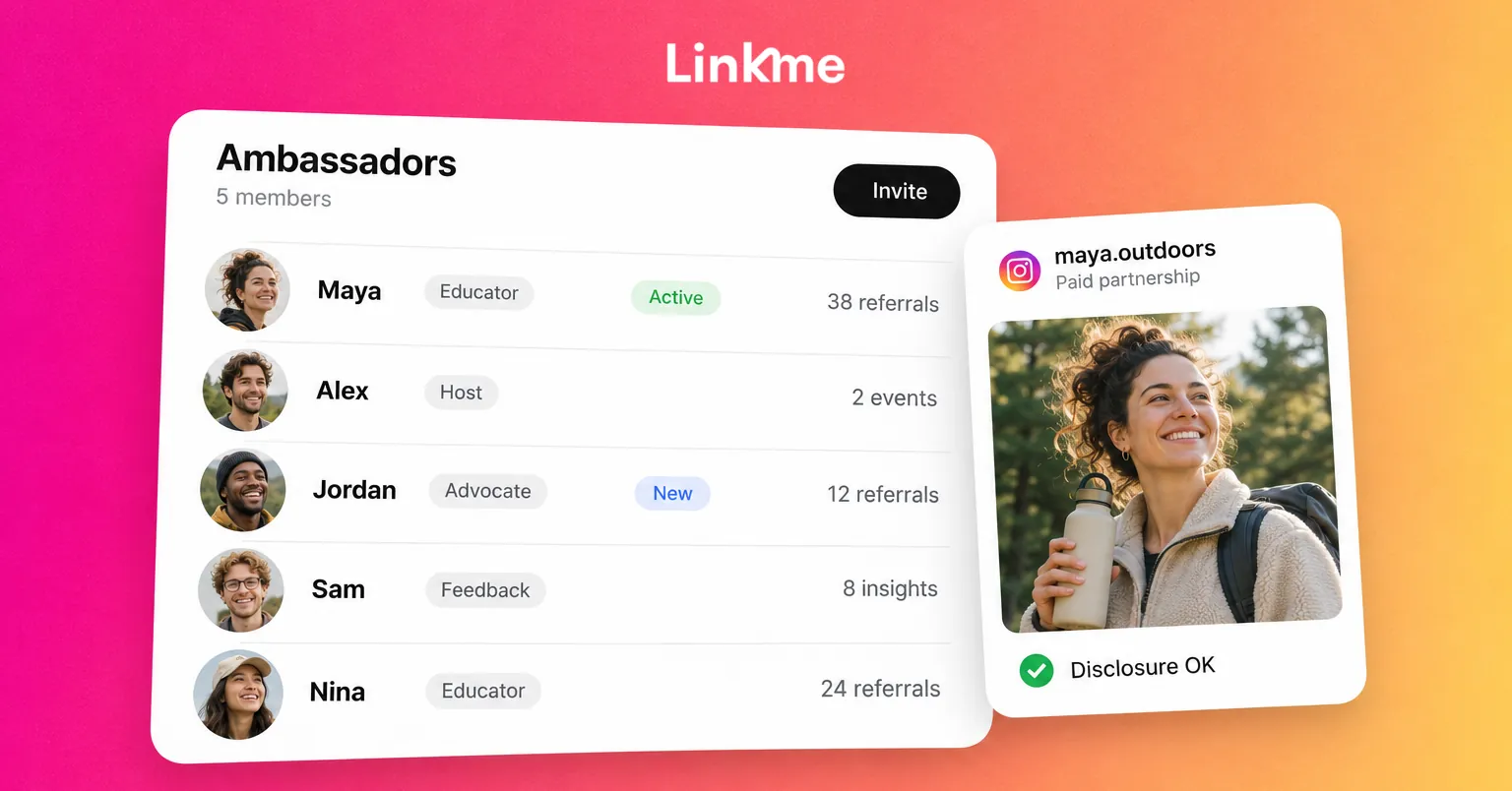
A clear label tells your audience you are being straight with them; hiding a partnership puts that trust at risk.
Frequently asked questions
How do micro influencers make money?
Usually through a mix of paid brand posts, tips, products they sell from their own page such as merch, downloads and courses, and platform payout programs once they qualify. Combining several streams makes income steadier than relying on brand deals alone.
How much should a micro influencer charge?
There is no standard rate. Base your price on the deliverables, production time, usage rights, any exclusivity and the results you can show from past work. Put the terms in writing and charge separately when a brand wants to run your content as an ad.
Can small creators sell products without holding stock?
Yes. Print-on-demand merch is made and shipped per order, and digital products, pay to unlock content and courses involve no physical stock at all. On Linkme, merch is printed and shipped for you, and checkout happens on your page.
Do I have to disclose gifted products?
Yes, under FTC guidance a free or discounted product counts as a material connection, so disclose it clearly in the post, even if nobody asked you to mention the product.
Small creators earn best with a page that does more than list links. See how creators and athletes run their pages, shops and sign-ups on Linkme, and set up Sell & Monetize when your first product is ready.