Networking for Content Creators: How to Land Brand Deals and Collabs
How creators network for brand deals and collaborations: a page brands can check in a minute, a short media kit, pitches with one clear idea, creator collabs, and being findable by brands.
On this page
Networking for content creators is mostly two things: being easy for brands to find and check, and reaching out to the right brands and creators with something specific to offer. Most deals and collaborations come from a short, well-aimed message backed by proof. That proof is a profile that shows who your audience is, what you make and how to reach you. Follower counts and cold DMs to every brand you like rarely get you there.
This guide covers how to set up that proof, how to pitch brands, how to work with other creators and how to be found by brands that are already looking.
Make your page do the first round of networking
A brand manager who hears your name will look you up before replying. In less than a minute, they want to know who you are, what you post, how many people see it and how to reach you. Your link in bio page is usually where they land, so build it for that visit.
What a brand looks for on your page
- A one-line description of what you make and who it is for.
- Your channels, each with a working link, so they can check your recent posts themselves.
- Your latest work. Video feeds from Instagram, TikTok and YouTube show what you are posting now, not what you posted last year.
- Your audience size. One clear number is easier to read than seven separate counts.
- A way to contact you that is clearly for business, such as an email address or a contact form.
- Proof of past work, such as a featured link to a campaign or a product you have made.
A Linkme page for creators and athletes can hold all of this at one address, link.me/yourname. From the Plus plan, it shows your total followers across every connected network as one number, next to a Linkme verification badge.
Keep a real media kit too
Linkme does not have a media kit builder, and a page is not a substitute for one anyway. Your page is the public first impression. The media kit is what you send once a brand is interested. Keep it to one or two pages:
| Section | What to include |
|---|---|
| Who you are | One paragraph on your niche, tone and the kind of content you make |
| Audience | Followers by platform, main age range and countries, and typical views or engagement |
| Past work | Brands you have worked with and what you made, with results you can share |
| Formats and rates | What you offer, such as a Reel, a Story set or a YouTube integration, with a starting price or “rates on request” |
| Contact | Business email and anyone else who handles your deals |
Pull the audience figures from each platform’s own insights and update them every month or two. On your Linkme page, Analytics adds profile views, link clicks and the countries and cities your visitors come from. That is useful if a brand cares about a particular market.
Pitch brands with something specific
Choose the right brands
Start with brands you already use, buy or talk about. Your audience has already seen you with them, and you can speak about the product honestly. Then widen the list to brands that sell to the same people as you, even if they are in a different category.
Write a short pitch
A pitch a busy person can answer has five parts:
- Who you are, in one line. “I make 60-second strength workouts for runners, mostly on Instagram and TikTok.”
- Why this brand. Mention something real, such as a product you use or a launch you noticed.
- One idea. “A Reel showing my pre-run routine with your recovery shoe, filmed on my usual trail.”
- One proof point. A recent post that performed well with the audience they want.
- A clear next step. “Can I send over my media kit and rates?”
Find the right person before you send it, usually someone in influencer, partnerships or social. Use their business email or the contact route the brand lists. If you get no reply after a week, send one short follow-up, then move on.
Disclose paid work
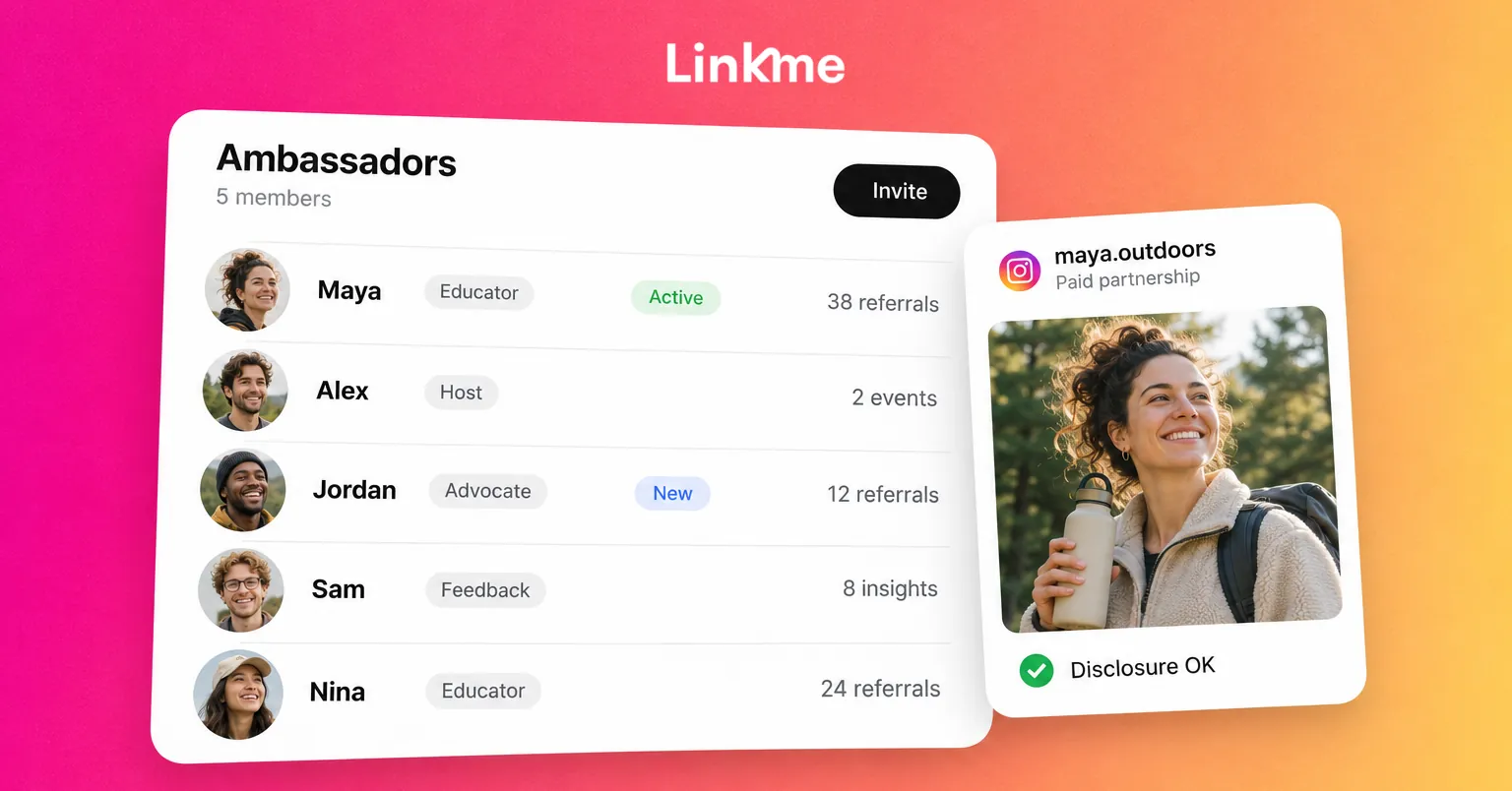
When a deal goes ahead, label it clearly. Use the platform’s paid partnership label where there is one, and follow the advertising rules where you live. In the US, the FTC’s disclosure guidance for influencers sets out what is expected. Clear disclosure protects you and makes brands more comfortable working with you again.
Network with other creators
Brand deals are one part of creator networking. Relationships with other creators often lead to more: collab posts, guest spots, shared audiences and referrals when a brand asks who else it should work with.
- Engage before you ask. Comment thoughtfully on their posts and reply to their Stories for a few weeks first.
- Bring a finished idea. “Let’s do something together” rarely goes anywhere. “A two-part Reel where we each cook the other’s go-to recipe” usually gets a reply.
- Pick overlapping, not identical, audiences. A running creator and a nutrition creator can grow each other. Two near-identical accounts often compete.
- Share the work fairly. Agree who films, who posts first and how you will both promote it.
- Show up in person. Creator meetups, industry events and local events in your niche turn online contacts into real relationships.
Be findable when brands go looking
Many brands now search for creators instead of waiting for pitches. Make sure you show up when they do.
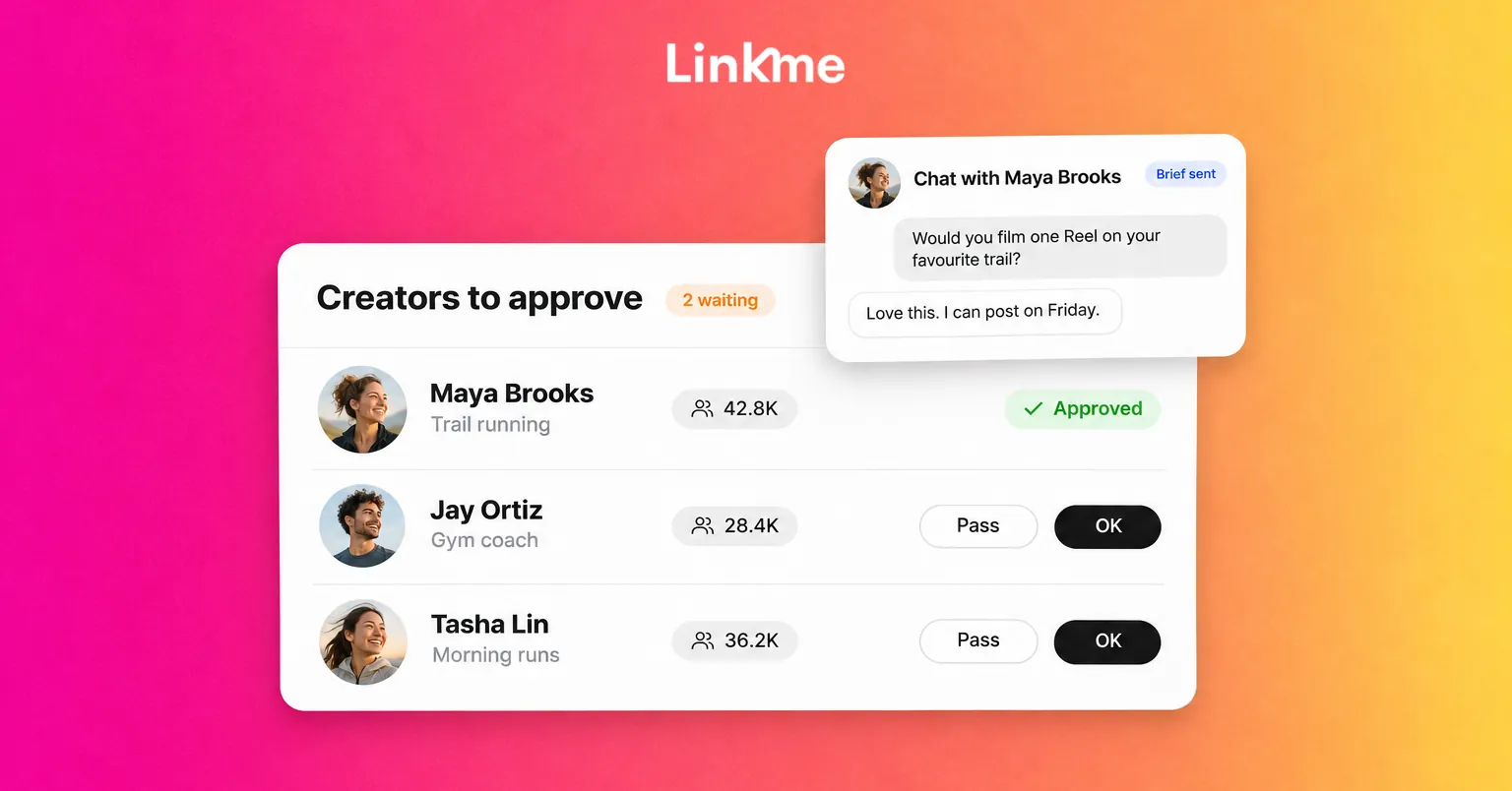
On Linkme, brands use the creator marketplace to find creators who run their page on Linkme. They can search by follower count, industry, niche and city. A brand describes who it wants to reach to Link, Linkme’s AI social media manager. Link looks at what each creator actually posts and suggests the ones who fit, with the reasons.
Brands stay in control of every step. Link sends the brief only to the creators the brand approves. It answers creators’ questions and agrees the deal, and the brand can read every chat and take over at any time. When videos come back, Link checks them against the brief, and the brand approves each one before running the best as ads.
For creators, the practical step is simple. Your Linkme page is how brands find you. Keep it current, make your niche clear in your bio and connect your networks so your follower total can show on your page.
Follow up and keep a record
Most opportunities are lost after the first conversation, not before it. A simple system keeps them alive:
- Log every brand and creator conversation in a spreadsheet with the date, the contact, what was discussed and the next step.
- Send a thank-you and a short results summary after every collaboration, with numbers if you can share them.
- Check in with past partners when you have something relevant, such as a new format, a milestone or a launch that fits their calendar.
Frequently asked questions
How do small creators get brand deals?
Focus on fit rather than size. Pitch brands your audience already cares about, with one specific idea and a recent post as proof. Make sure your page and media kit answer a brand’s questions quickly. Smaller niche audiences are often valuable to brands that sell to exactly those people.
What should a creator media kit include?
A short description of you and your content, audience numbers and demographics from each platform’s insights, past partnerships and results, the formats you offer with rates or “rates on request”, and business contact details. Keep it to one or two pages and update it regularly.
Where can creators network with brands?
Directly, by pitching brand partnership teams by email. Through industry and creator events. And by being findable in places brands search, such as creator marketplaces. On Linkme, brands use the creator marketplace to find creators who run their page on Linkme.
How do I approach another creator for a collaboration?
Engage with their content first, then send a short message with a finished idea that suits both audiences. Agree who posts, when, and how you will both promote it. Keep the first collaboration small so it is easy to say yes.