What Is Digital Networking, and Why Does It Matter?
Digital networking is building professional relationships online. Here is why it matters for careers and businesses, and the small toolkit that makes you easy to find and contact.
On this page
Digital networking is building and keeping professional relationships through online channels: LinkedIn, industry communities, DMs, email and video calls. It matters because most opportunities, from a job referral to a new client, now start with someone finding you online or checking you out before they reply. This guide explains what digital networking looks like today, why it matters for careers and businesses, and the simple toolkit that makes you easy to find, easy to contact and easy to remember.
What digital networking means now
Networking used to mean conferences, business cards and introductions over coffee. Those still matter, but the first and last steps of most professional relationships now happen online. You might meet someone at an event, then look them up that evening. Or you might never meet in person at all: a thoughtful comment on a post leads to a DM, then a call, then a project.
Digital networking covers all of that:
- Being findable. Someone hears your name and can find your work and a way to reach you in under a minute.
- Showing up in useful places. Taking part in the online communities where people in your field talk.
- Starting conversations. Short, specific messages that give the other person a reason to reply.
- Staying in touch. Keeping relationships alive between the moments when you need something.
Why digital networking matters
For careers
Many roles are filled through referrals and recommendations, and recruiters search online for candidates. An up-to-date profile and visible work mean the people who could recommend you know what you do. Networking online also removes the limits of location: you can learn from and work with people in other cities and countries without waiting for the right conference.
For businesses
Partners, suppliers and clients research a business before the first call. Founders, salespeople and account managers who are visible and helpful online start those conversations with trust already built. Online communities are also where you hear about problems customers have before they become search queries.
For freelancers and creators
For anyone who sells their own skills, the network is the pipeline. Clients and collaborators often come from people who have seen your work shared, recommended or discussed online.
The digital networking toolkit
You do not need many tools. You need a few that are current and that point to each other.
1. One page that holds your work and contact details
Social profiles limit how much you can link to, and each one only shows part of what you do. A single page that collects your work, your socials and your contact details gives people one place to go after any conversation.
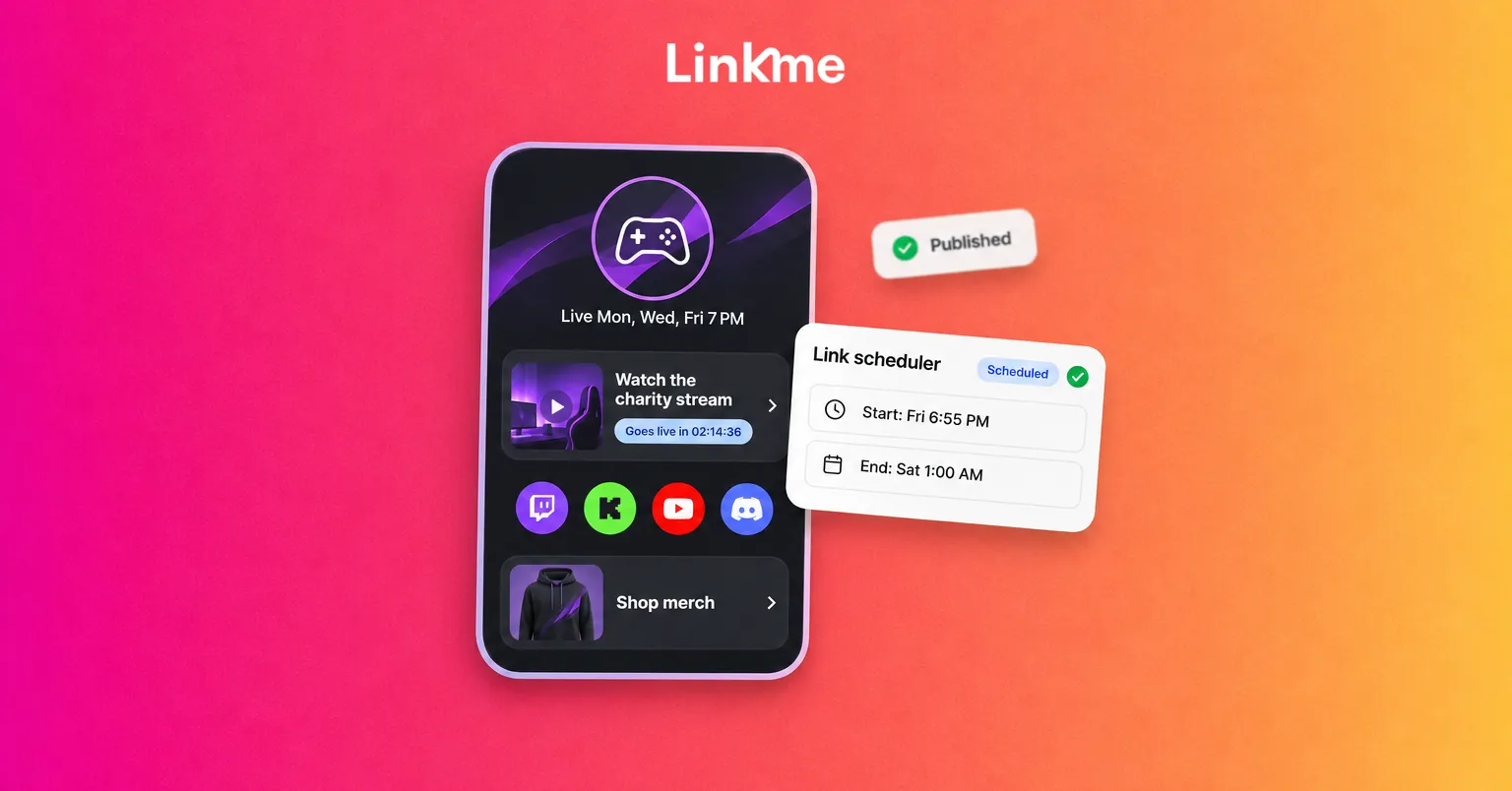
A Linkme page can hold platform links, featured links to your portfolio or booking page, video feeds from Instagram, TikTok and YouTube, a gallery, contact info and an email contact form. Put its link in every bio and email signature, so whichever profile someone finds first, they can reach the rest.
Make it easy to keep in touch in both directions. On Linkme, a visitor can tap the me icon on your page to share their name, email and phone number, or use a Connect with sign up, and each contact lands in your Leads list with its source.
2. A current LinkedIn profile
LinkedIn is still where many professionals look first. Keep the headline specific (“Brand designer for food and drink startups” beats “Creative professional”), add a few pieces of recent work to the Featured section, and link to your page. Post or comment regularly enough that your activity shows you are active.
3. A QR code for in-person moments
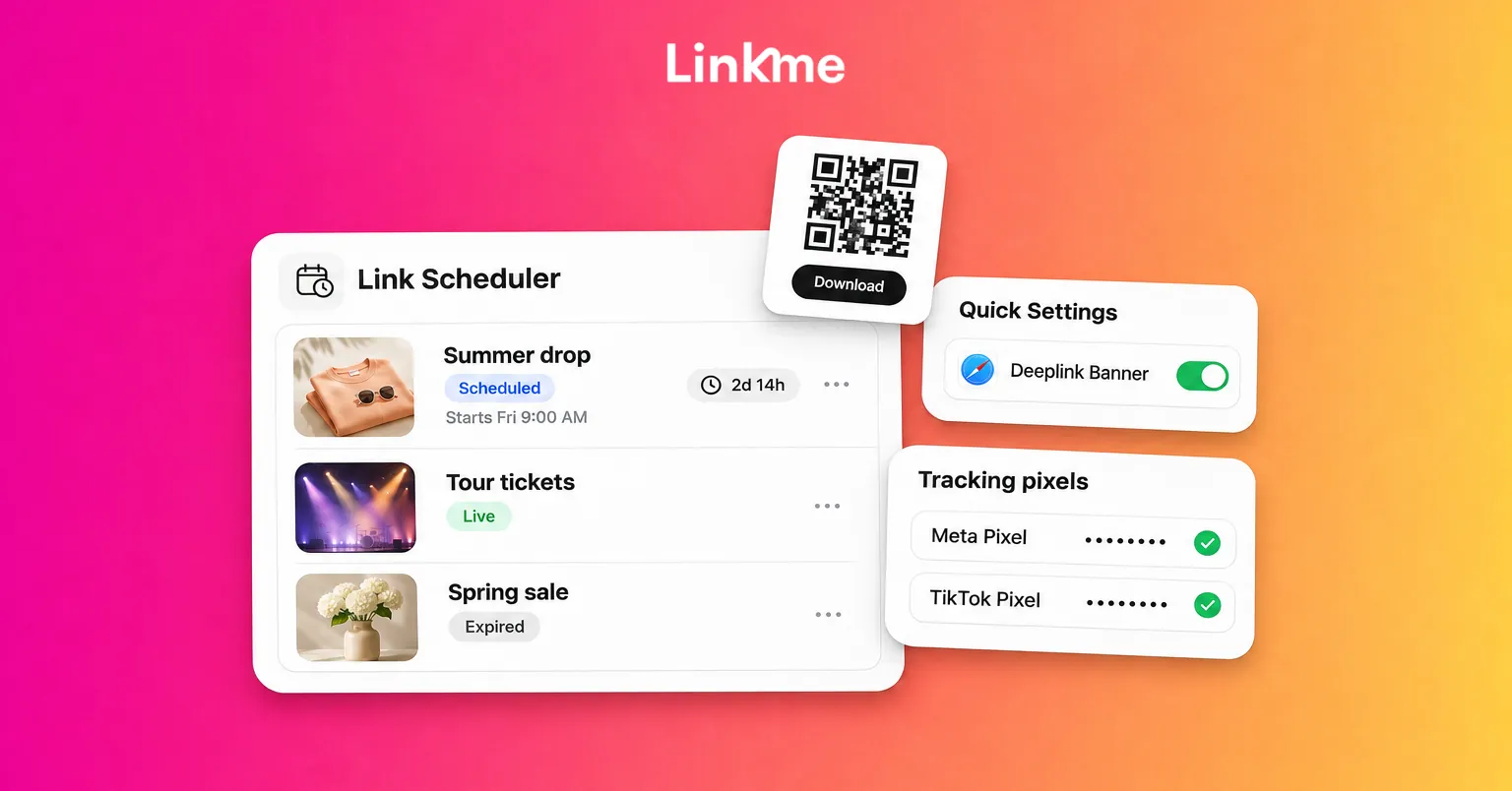
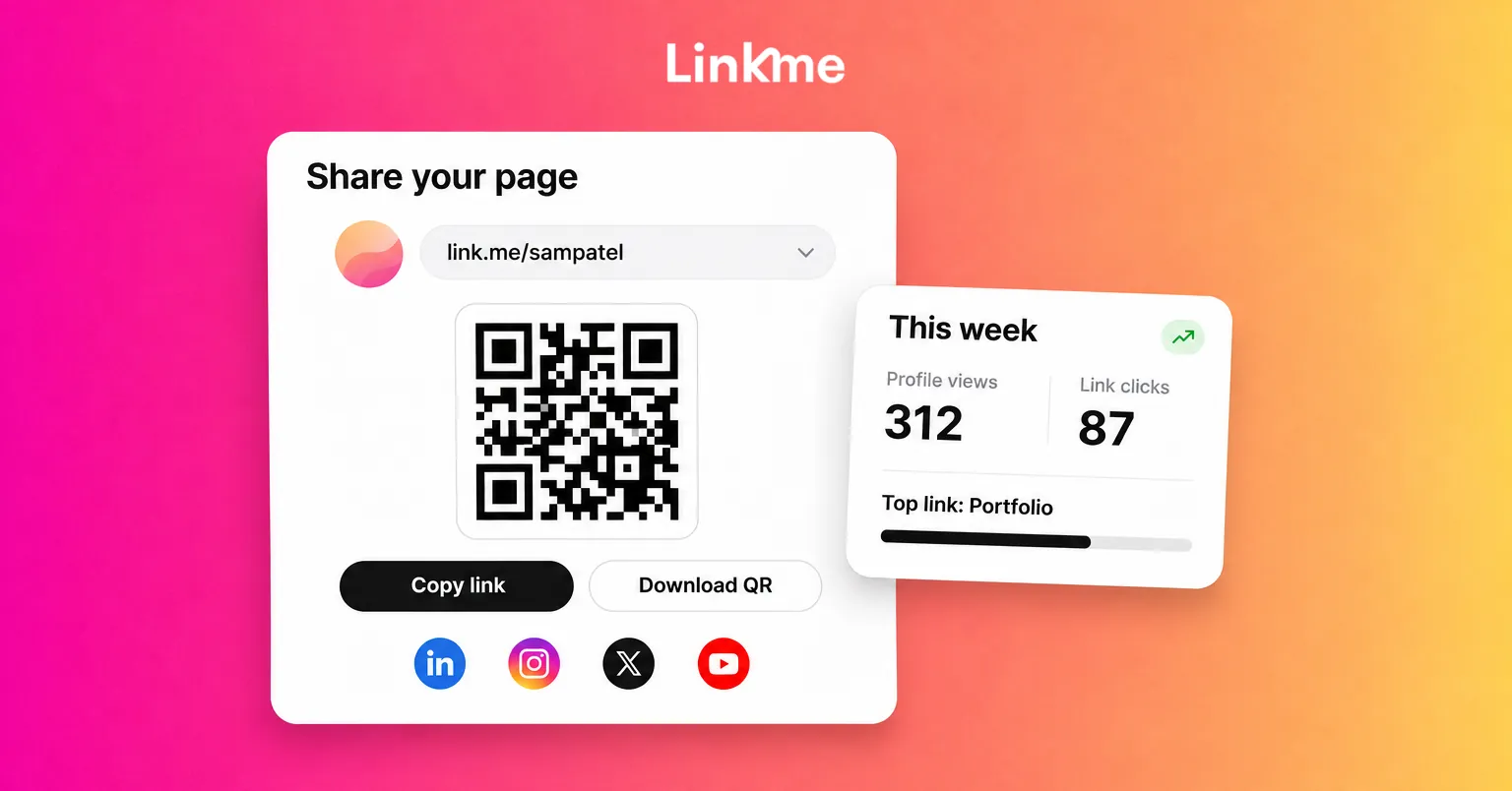
When you meet someone at an event, a QR code on your phone, badge or slide gets your details to them in seconds, with no spelling of email addresses. Every Linkme page has its own QR code that always opens the live page, so you can update your links without reprinting anything.
4. One or two online communities
Pick the places where people in your field actually talk: an industry Slack or Discord group, a subreddit, a professional association’s forum or a newsletter’s community. Depth beats breadth. Answering questions well in one community builds a reputation faster than occasional posts in ten.
5. A simple way to follow up
Keep track of who you met, where and what you discussed, in a spreadsheet, your contacts app or a CRM. The point is to remember to follow up and to have context when you do.
Digital networking habits that work
- Comment before you connect. A thoughtful comment on someone’s post is a gentler introduction than a cold connection request.
- Personalize every request. Mention where you saw them or what you liked about their work in one or two sentences.
- Lead with something useful. Share a resource, an introduction or a relevant observation before asking for anything.
- Make your ask small and specific. “Could I ask two questions about how you priced your first course?” gets more replies than “Can I pick your brain?”
- Share your work in public. Short posts about what you are working on and what you learned keep you on people’s radar without direct outreach.
- Close the loop. If someone helps you, tell them how it turned out.
A message template you can adapt
“Hi Sam, I enjoyed your post about [topic], especially the point about [specific detail]. I’m working on something similar at [company]. Would you be open to a 15-minute call next week? If not, no problem, and thanks for sharing it.”
Mistakes to avoid
- Pitching in the first message. Connection requests that open with a sales pitch tend to be ignored or reported.
- Broken or outdated links. An old portfolio or a dead booking link undoes a good first impression. Check your page every month.
- Too many places to look. If your work is spread across five profiles with no common link, people give up.
- Only reaching out when you need something. Relationships built during job searches or sales pushes feel transactional. Keep in touch in between.
How to tell your networking is working
Watch a few signals over time: more profile views and link clicks after events or posts, replies to your outreach, introductions you did not ask for, and inbound messages about work. Linkme’s analytics show your page’s views and link clicks, so you can see whether an event or a post sent people to your work.
Frequently asked questions
What is digital networking?
Digital networking is building and maintaining professional relationships through online channels, such as LinkedIn, industry communities, social media, email and video calls. It includes making yourself easy to find, starting useful conversations and staying in touch over time.
Why is digital networking important?
Because most opportunities now involve an online step. People look you up before they reply, recruiters and clients search online, and communities online connect you with people beyond your city or industry. A strong online presence means those first impressions work in your favor.
What are the best tools for networking online?
A page that collects your work, socials and contact details, a current LinkedIn profile, a QR code for in-person events, one or two active online communities, and a simple way to track follow-ups. Keep each one current and link them to each other.
How do I network online without being pushy?
Start by being useful: comment thoughtfully, share resources and make introductions. When you reach out, personalize the message, keep the request small and specific, and accept a no gracefully.
Digital networking rewards people who are easy to find and generous with their time. Keep one page that holds your work and contact details, show up where your field talks, and follow up with care.