Personal Brand Agency: What They Do and Whether to Hire One
Personal brand agencies range from coaching to full-service content teams. Here is what they do, what drives the cost, when to hire one and what to ask first.
On this page
A personal brand agency helps one person, rather than a company, become known for something specific: a founder, an executive, an athlete, an artist, a creator or a consultant. Depending on the agency, that can mean positioning, content production, running social accounts, press and speaking opportunities, and brand partnerships. Whether you should hire one depends on how much of that work you can do well yourself, and how much your time is worth. This guide explains what these agencies do, what drives the cost and what to ask before you sign.
What a personal brand agency does
Most agencies offer some combination of the following:
- Positioning. Defining what you want to be known for, for whom, and how that differs from people in a similar space.
- Content strategy. Choosing channels, formats, topics and a realistic publishing rhythm.
- Content production. Ghostwriting posts and newsletters, filming and editing video, designing graphics.
- Account management. Scheduling posts, replying to comments and messages, and keeping profiles current.
- PR and visibility. Press outreach, podcast guest spots, speaking applications and awards submissions.
- Partnerships. Finding and negotiating brand deals, usually for creators and athletes.
- Reporting. Tracking audience growth, reach, clicks and the opportunities that came from it.
How agencies differ from coaches, consultants and talent managers
These titles overlap, so ask what the work actually includes.
| Type | Typically does | Best for |
|---|---|---|
| Personal brand coach | Guides you through positioning and habits; you do the work | People who want to build the skill themselves |
| Consultant | Audits your presence and writes a plan; may hand off execution | A clear strategy before committing to a team |
| Personal branding agency | Plans, produces and often publishes for you | Busy founders and executives with a strong point of view |
| Talent manager or talent agency | Career management, deals and partnerships, often with social support | Creators, athletes and artists with commercial demand |
What drives the cost
Agency pricing varies widely, and published rates are rare. Instead of comparing headline numbers, compare what is included. The main cost drivers are:
- Content volume. Five written posts a week costs far less than three edited videos a week.
- Production. Filming days, editing, design and photography add up quickly.
- Channels. Each extra network adds formats, community work and reporting.
- Community management. Replying to comments and DMs every day is ongoing labor.
- PR and outreach. Press and speaking work is relationship-heavy and often priced separately.
- Seniority. Senior strategists and writers who can capture your voice cost more than junior account staff.
- Contract shape. Monthly retainers, fixed projects and minimum terms change the real cost of trying it.
Ad spend, travel and production equipment are usually billed on top. Ask for a written scope that lists deliverables per month.
Hire an agency or do it yourself?
Signs an agency makes sense
- You know what you want to be known for, but you have no time to produce consistently.
- Opportunities such as speaking, press or partnerships are already arriving and nobody follows up.
- Your industry rewards visibility and your competitors are investing in it.
- You are comfortable reviewing drafts weekly and giving honest feedback.
Signs you should start yourself
- You have not yet decided on your topic or audience. An agency cannot invent your point of view.
- Your budget would cover only a few months, not long enough to see results.
- Your strongest content is spontaneous and personal, and a ghostwriter would flatten it.
A middle path works for many people: hire a coach or consultant for positioning, publish on your own for a few months, then bring in production help once you know what works.
What to ask before you sign
Use these questions in every agency conversation:
- Who will do the work? Meet the people who will write and edit, not only the person who sells.
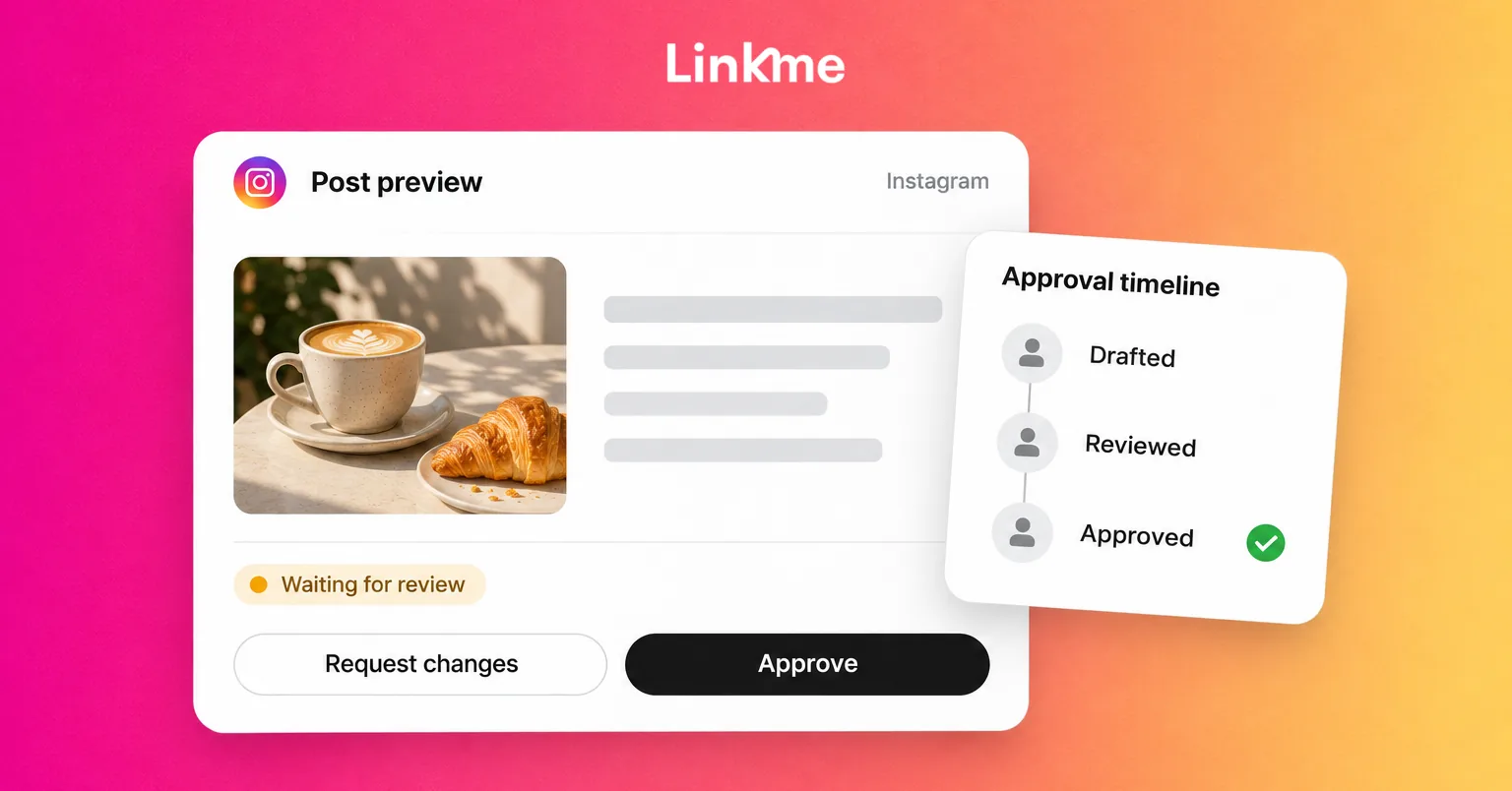
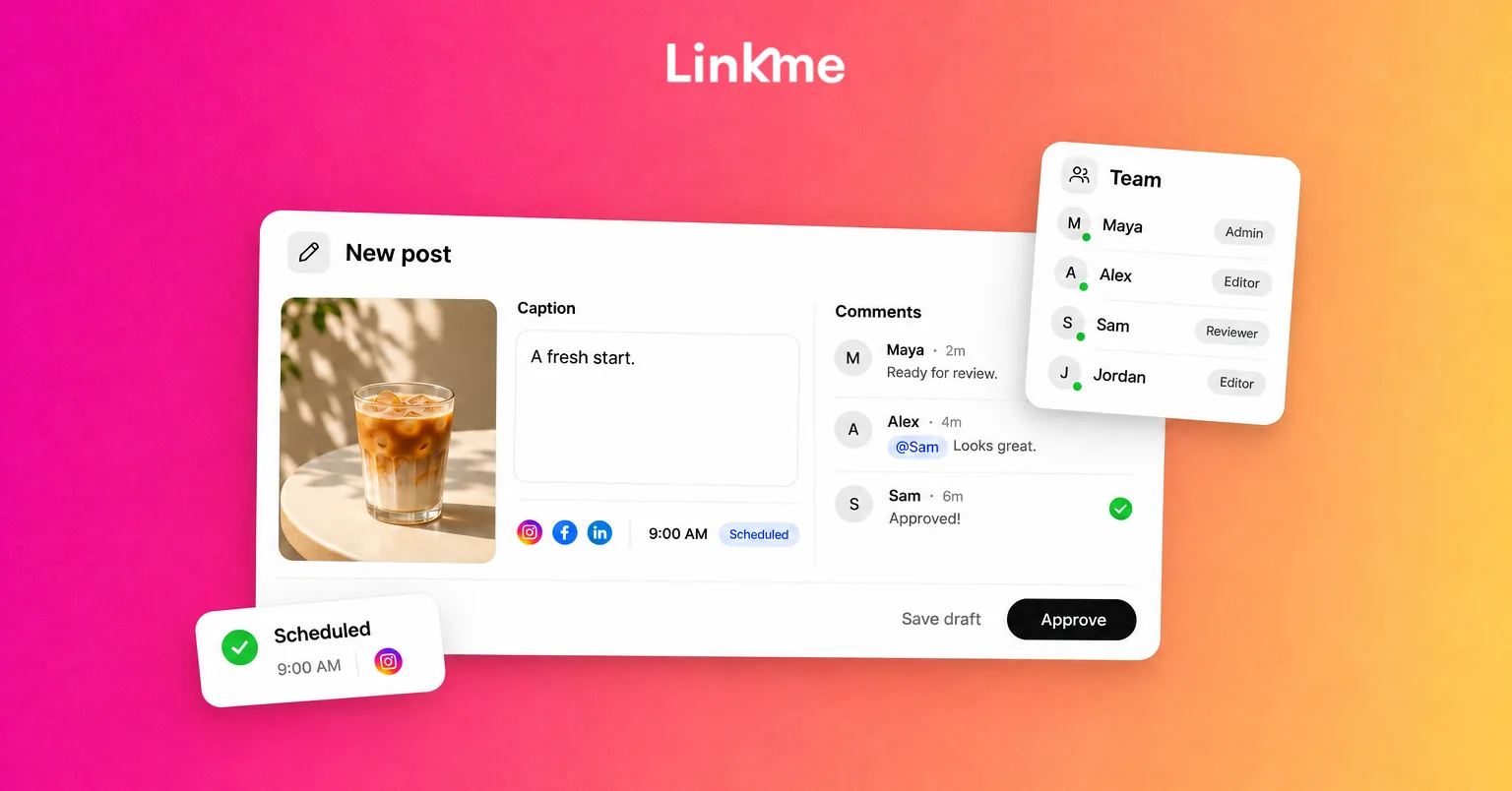
- How do approvals work? Nothing should publish in your name without your sign-off, at least for the first months.
- How do you access my accounts? You should not hand over passwords. Ask how they work through roles or delegated access, and how access is removed.
- Who owns the content and the accounts? You should own your profiles, the content made for you and the files behind it.
- Who owns the audience list? Email sign-ups and contacts collected through your channels should stay with you.
- How do you handle sponsored content? In the US, the FTC expects influencers to disclose material connections with brands. Ask how the agency handles this in captions and videos.
- What will you report, and how often? Ask for the specific metrics and a sample report.
- What happens when we stop? Notice period, handover of files and removal of access should be in writing.
- Are there conflicts? If they represent people competing for the same deals, ask how they handle it.
How agencies run talent pages with Linkme
Agencies and managers who run pages for several people often hit the same problem: one shared password per client, kept in a spreadsheet. Linkme for Agencies is built around that job.
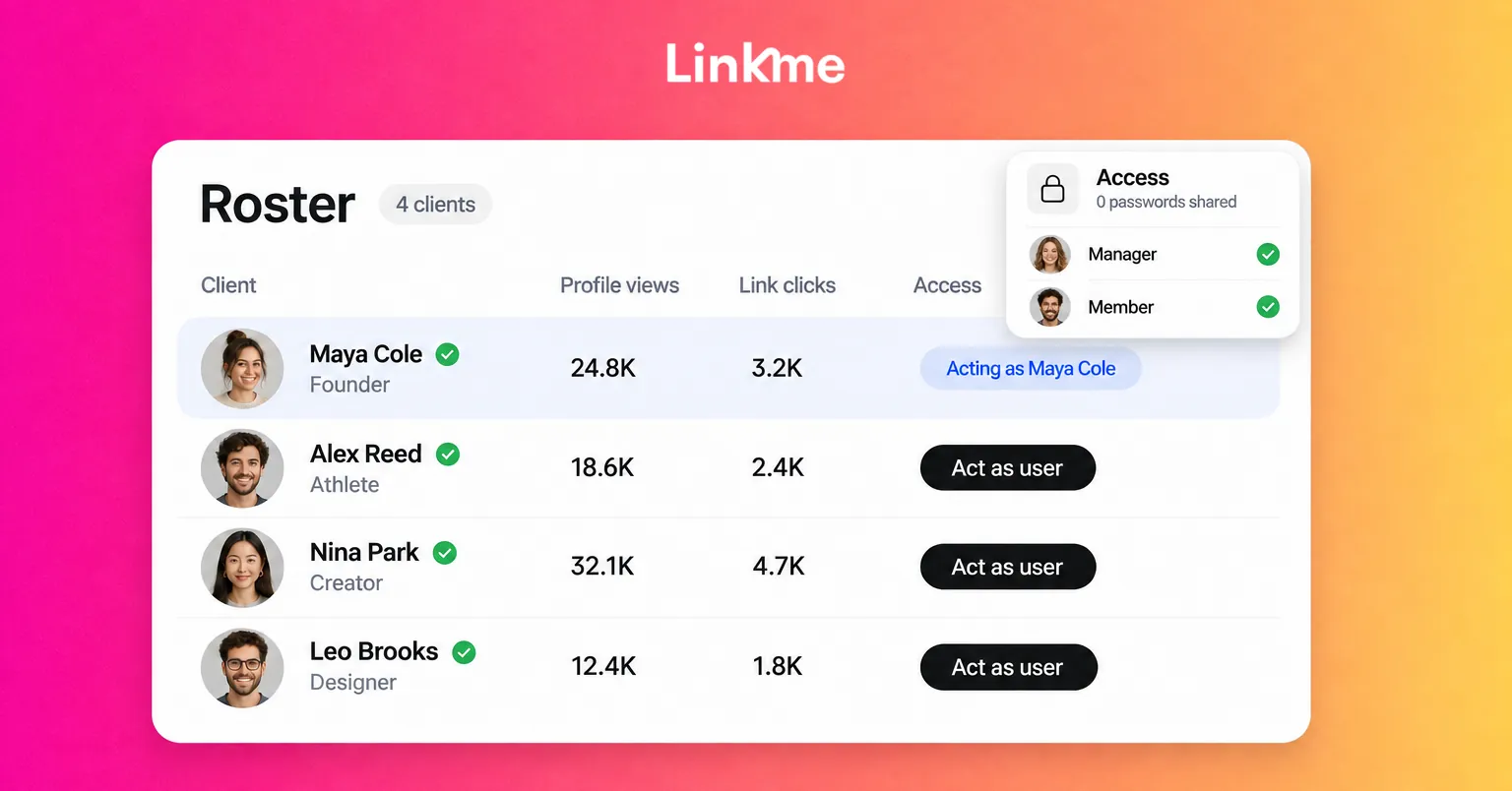
- Act as user. A manager opens a client from the agency’s roster and works inside that client’s account, including the page, Post to All, automations and leads, without the client’s password.
- Roles. The workspace has Owner, Super Manager, Manager and Member roles. Managers can work on every account or only the ones they are assigned, and talent keep their own login.
- Roster analytics. Profile views, link clicks, average click-through rate and sales for every client side by side, with a report per client that saves as a PDF.
- Audience stays with the talent. Contacts a fan shares through a client’s page land in that client’s Leads, which export to CSV. There is no agency-wide contact list.
That last point answers question five above. The agency guide walks through setting up a roster. Linkme is the software the agency works in; it does not provide branding or coaching services itself.
Frequently asked questions
What does a personal brand agency do?
It helps an individual build a public reputation through positioning, content strategy and production, account management, PR and sometimes brand partnerships. Some agencies only advise; others create and publish content for you.
Is a personal brand coach the same as an agency?
No. A coach guides you while you do the work. An agency usually takes on production and publishing. Coaches suit people who want to build the skill; agencies suit people who mainly need capacity.
How long before a personal brand agency shows results?
Expect several months of consistent publishing before audience growth and inbound opportunities become clear. Agree on early signals with the agency, such as publishing consistency, engagement from the right people and profile visits, rather than judging the first month on follower count.
Should I give an agency my social media passwords?
Avoid it. Use role-based or delegated access wherever the platform or tool supports it, so each person has their own login and access can be removed without changing your password.
A good agency makes you more visible without making you less in control. Keep your logins, your sign-off and your audience, and judge the work by the opportunities it creates.